Why Seasonal Low Mood Often Starts in the Nervous System
Every fall, the same slide happens: less energy, shorter fuse, flatter mood. Shorter days explain part of it. A nervous system that never had much reserve to begin with explains the rest.
Read our posts and join the conversation.
Page 46 of 54
Every fall, the same slide happens: less energy, shorter fuse, flatter mood. Shorter days explain part of it. A nervous system that never had much reserve to begin with explains the rest.
Not how sick or healthy your child is right now, but which direction they are headed. One question, asked consistently, tells you more than any single symptom checklist.
Loud rooms, scratchy tags, a haircut that turns into a meltdown. Sensory processing disorder is not a behavior problem. It is a nervous system working overtime to sort out the world.
Cold plunges, ice baths, biohacker breathing routines. Vagus nerve content is everywhere for adults and almost never written for children, even though kids need it just as much.
Long before a formal evaluation, many parents describe a gut feeling that something is different about their toddler. Here is what that instinct often picks up on, and why it deserves more weight than it usually gets.
You already know your child has sensory challenges. Now what? Practical, hopeful next steps for parents ready to move past the diagnosis conversation.
Chronic constipation affects up to 30 percent of kids, and many do not outgrow it so much as grow into other digestive issues. Here is the long arc from childhood constipation to adult IBS, and where it usually starts.
Insomnia, night terrors, sleep apnea, restless legs. Childhood sleep disorders come in more forms than most parents realize, and knowing which one you are dealing with changes what actually helps.
A run of ear infections in the early years and a wheezy cough that shows up a few years later can look unrelated. In our office, they often trace back to the same nervous system pattern.
Tremors, seizures that are not epilepsy, sudden weakness, and no clear disease behind any of it. Functional Neurological Disorder has a real definition, even when scans come back clean.
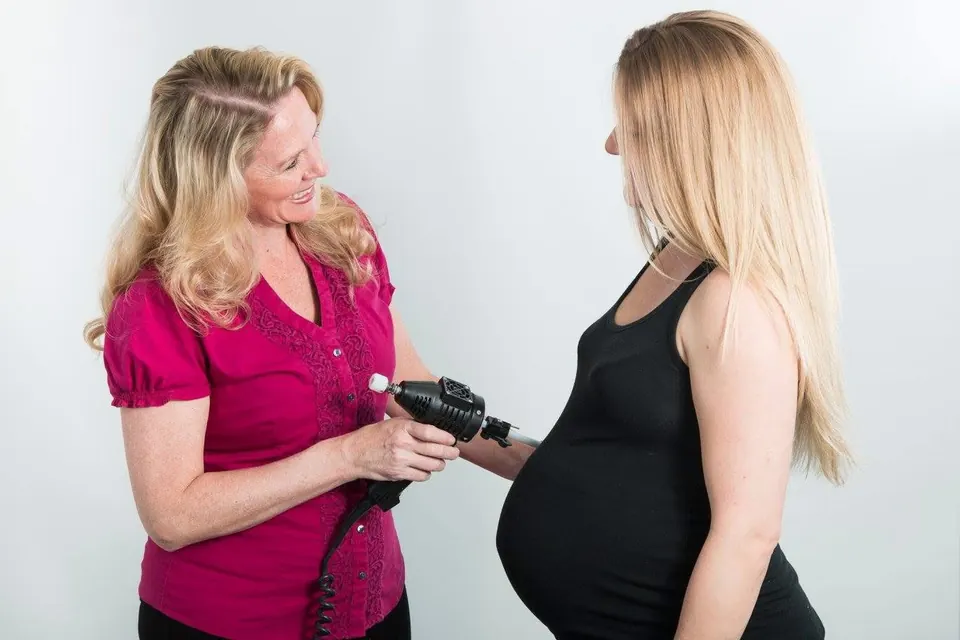
You have the hospital bag packed and the birth plan printed. The piece most classes never mention is how ready your nervous system actually is for labor.
Bedtime turns into a production every single night, stalling, fighting the routine, or lying there wide awake long after lights out. A handful of practical changes tend to help before anything else does.
Book online, or call (248) 616-0900 and our front desk will find a time that fits your family.
Book Online