We start with a thorough conversation about your symptom patterns, triggers, and sensitivity, then use our INSiGHT scans, thermal, heart rate variability, and sEMG, to objectively assess where your nervous system is hyperactive. That gives us a starting point that does not rely only on how you feel that particular day, and it helps us see the nervous system dysfunction driving your pain signals rather than just where you feel discomfort.
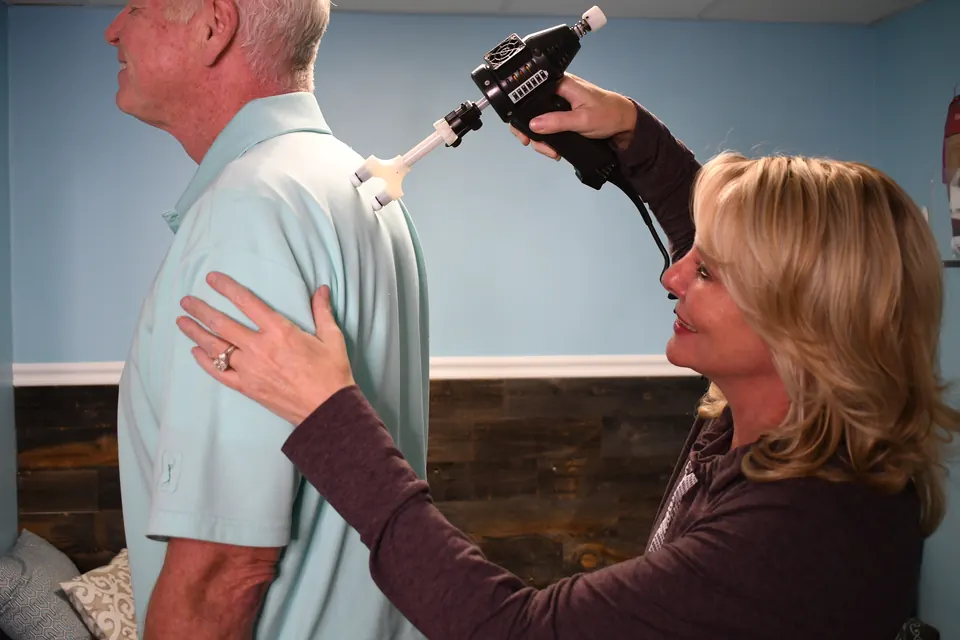
From there, our doctors correct spinal subluxations contributing to nervous system dysfunction, upper cervical issues affecting brainstem function, and muscle tension, adjusting you seated or in whatever position is comfortable. We set realistic expectations from the start: improvement with fibromyalgia tends to come gradually rather than overnight. We track your progress visit by visit, adjust our approach based on how you respond, and gladly coordinate with your rheumatologist or pain specialist as part of your care.