
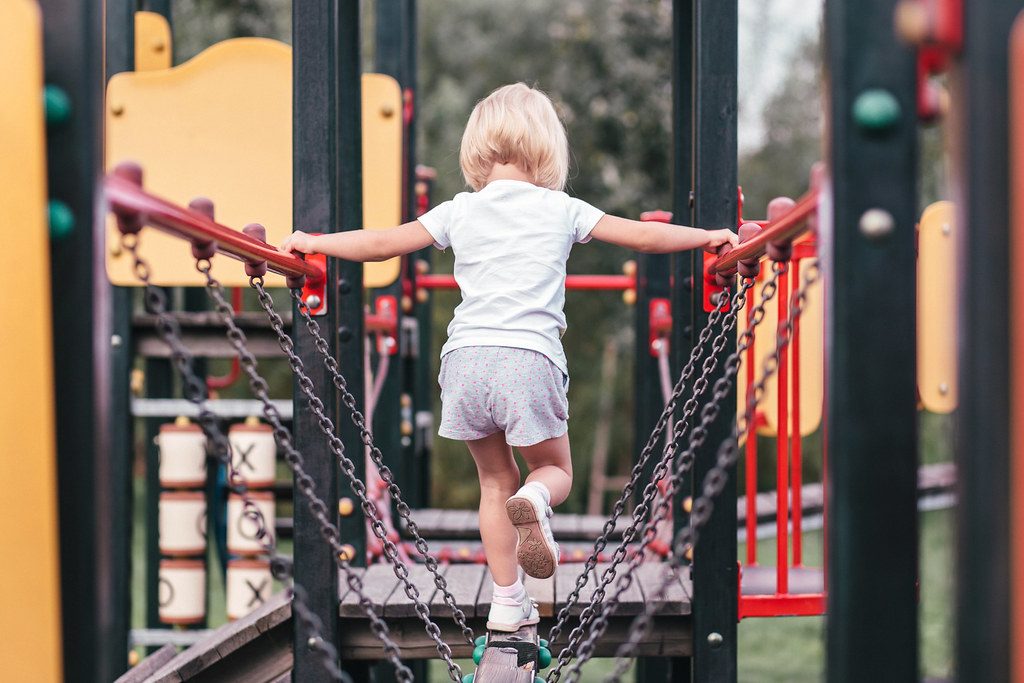
By the time a kid is old enough to run, climb, and ride a bike, they have also become extremely good at falling down. Off the couch arm. Off the last two stairs, every single time. Off a bike before they quite have the balance figured out. Most of these tumbles end the same way: a moment of shock, maybe a few tears, and then back to playing within a few minutes as if nothing happened. Parents get remarkably calm about it after the fifth or sixth fall of a given month, and for good reason. Kids are built to bounce.
That calm, however, can make it easy to wave off every fall the same way, when a small number of them are worth a genuinely closer look. Knowing the difference does not require panic. It just requires knowing what to actually watch for.
What a Routine Tumble Usually Looks Like
Most childhood falls follow a predictable, reassuring pattern. There is an immediate reaction, often crying or a shocked pause, followed by a fairly quick return to normal movement and mood within a few minutes. The child can bear weight normally, use the affected arm or leg without obvious hesitation, and generally seems like themselves again once the initial surprise wears off. Some bruising or a mild ache that fades over a day or two is completely ordinary and not something that needs a workup.
Patterns Worth a Closer Look
A handful of signs point toward something worth checking rather than waiting out. A limp or guarded movement that persists past the first hour, rather than settling once the shock passes. A child who avoids using an arm or leg normally, even if they are not describing sharp pain. Complaints that keep returning to the same spot over the days that follow a fall, rather than fading the way ordinary soreness does.
Also worth noting: a child who seems more tired, clingy, or off their normal rhythm in the days after a fall, even without an obvious injury site. Sleep that gets worse, a mood that stays subdued longer than usual, or a return to a stage they had already grown out of, like nighttime accidents, can all be a nervous system response to the physical stress of a fall rather than anything the child can put into words.
Why the Nervous System Is Part of How a Fall Shows Up
A child's nervous system controls how their muscles hold tension, how their posture organizes itself after an impact, and how their brain interprets discomfort signals in the days that follow. A hard fall, even one that looks unremarkable from the outside, can leave the spine and surrounding muscles holding a guarded, braced pattern that outlasts the moment of impact itself. That pattern is what shows up later as a limp that lingers, a complaint that keeps returning to one spot, or a kid who just seems a little off for a few days without a clear reason.
This is also why a fall that looked minor can sometimes matter more than a fall that looked dramatic. What matters is not how scary it looked in the moment. It is whether the body settled back to normal afterward or is still holding tension from it.
When to Go to the Pediatrician First
Some signs always call for medical evaluation before anything else, regardless of how the fall looked. Any loss of consciousness, confusion, repeated vomiting, a headache that worsens, or a change in how alert your child seems needs to be checked by a pediatrician or emergency care right away. A limb that looks visibly deformed, will not bear weight at all, or is significantly swollen also belongs in that category.
Our Approach
We start by hearing what actually happened: how the fall occurred, what your child's reaction was in the moment, and what you have noticed in the days since. From there, INSiGHT neurological scans give us objective data about how your child's nervous system is functioning, including where it may still be holding tension along the spine from the fall.
Our doctors use Koren Specific Technique (KST) and Talsky Tonal Chiropractic (TTC), adjusted to fit your child's size, age, and comfort level after a fall. Every contact stays gentle and precise, nothing that cracks, twists, or pops, and we pace the visit around how your child is doing that day.
What Parents Often Notice
A child moving normally again without the guarding or hesitation that had crept in after the fall. Sleep and mood settling back to what is normal for your child, and fewer of the vague complaints that kept circling back to the same spot for no obvious reason.
- Watch for a limp, guarding, or reluctance to use a limb that lasts more than an hour after a fall.
- Notice complaints that keep returning to the same spot over several days rather than fading.
- Pay attention to mood, sleep, and behavior changes in the days after a fall, not just physical symptoms.
- Take any fall with head impact, loss of consciousness, or a change in alertness to your pediatrician or emergency care right away.
- When something seems mostly fine but not quite right, trust that instinct enough to have it looked at.
Where to Go From Here
If your child had a fall that seemed minor but something about their recovery has not sat right, that is worth a conversation. You can read more about back pain in children, or learn more about neck pain in kids and teens. When you are ready, book online with our doctors in Royal Oak, or call us at (248) 616-0900.
