Convulsion and seizure get used as if they mean the same thing, and most of the time that does not matter much. But they describe two different pieces of the same event, and understanding the difference makes the rest of this easier to follow. A seizure is an electrical disruption in the brain. A convulsion is what that disruption can look like on the outside: sudden, involuntary jerking and contraction of the muscles. You can have a seizure with no convulsion at all, and in rarer cases a convulsion can happen without the kind of chronic epilepsy people usually picture. A single convulsive episode does not automatically mean a child has epilepsy.
Convulsions Are Always Worth Prompt Medical Attention
Whatever the cause turns out to be, a convulsion is an alarming event and it deserves prompt medical care, every time. This is not a wait and see symptom. A first convulsion, a prolonged one, or one that comes with breathing trouble, injury, or a child who is slow to wake up afterward needs emergency evaluation right away. Even a brief febrile convulsion in an otherwise healthy toddler should be checked by a medical provider. Nothing about a convulsion should ever be treated as normal or brushed off, and getting a clear medical picture of what happened and why comes first, always.
What a Convulsion Looks Like
The exact presentation depends on the cause and which part of the brain and nervous system is involved. A convulsion can affect the whole body or stay limited to one limb, and it can last anywhere from a few seconds to several minutes. Signs can include:
- Sudden jerking or rhythmic muscle spasms
- Whole-body rigidity or stiffening
- A clenched jaw
- Confusion before or after the episode
- Drooling or gagging
- Loss of bladder or bowel control
- A brief loss of consciousness
Convulsions are not limited to any one age. They can happen in newborns, toddlers, teenagers, and adults, and the underlying cause varies just as widely, from a spiking fever to epilepsy, a head injury, severe infection, a metabolic imbalance, or a reaction to a medication. A febrile convulsion, one triggered by a rapid rise in body temperature, is the most common type in infants and toddlers, and the fever can climb quickly enough that nobody notices it until the convulsion is already underway.
What's Actually Happening in the Nervous System
A convulsion comes from misfiring nerve cells and a breakdown in the normal communication pathways running from the brain to the body. Traditional evaluation understandably focuses on the brain itself, with tools like an EEG or MRI. What often gets far less attention is the rest of the central nervous system, the brainstem, spinal cord, and the nerves running through the spine that carry signals back and forth between the brain and the rest of the body. In case histories of kids who struggle with convulsions and seizures, a few threads show up again and again: significant stress during the prenatal period, a birth that involved intervention such as a C-section, forceps, or vacuum extraction, and, in the first two years of life, difficulty tolerating certain medications. Each of those can leave lasting tension in the brainstem and upper neck, right where a large share of the nervous system's regulating signals originate.
Why the Threshold for a Convulsion Can Drop Over Time
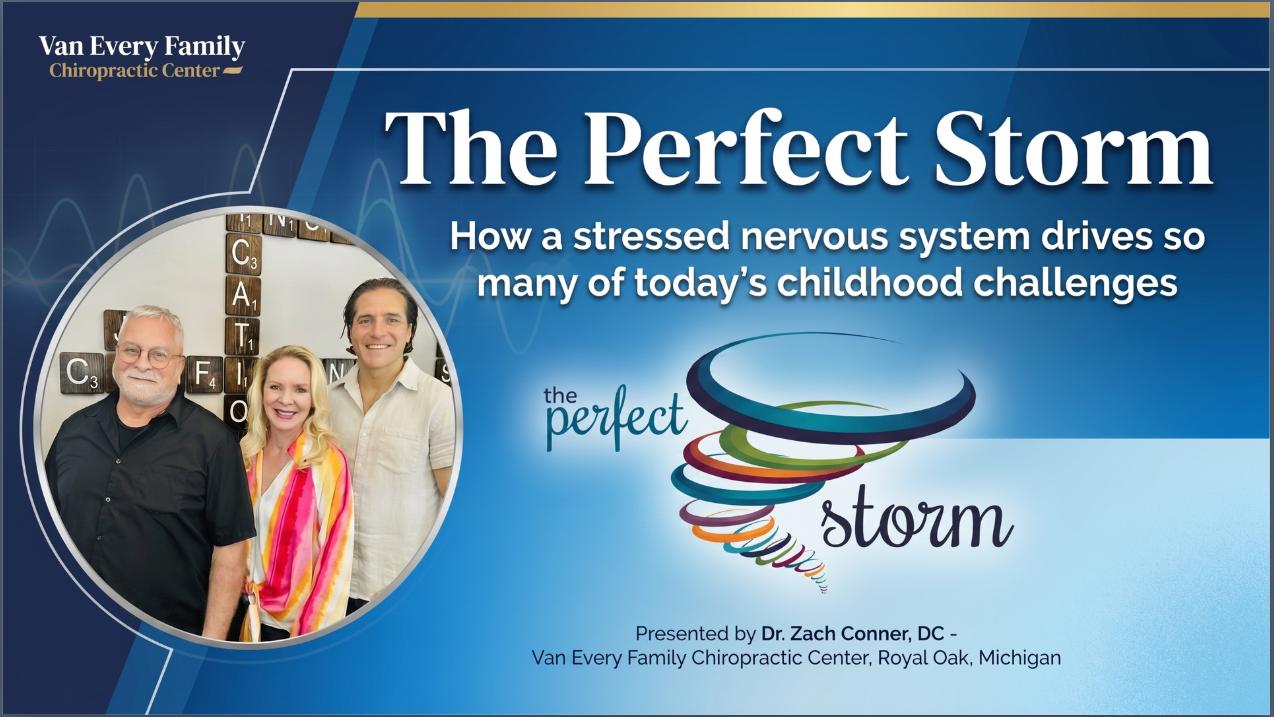
When the nervous system carries this kind of tension for long enough, it tends to shift toward a chronic, overactive stress response, sometimes called dysautonomia, where the calming, parasympathetic side of the nervous system struggles to counterbalance the alert side. This is part of what some practices refer to as the perfect storm building up over time, prenatal stress, birth stress, and early life stress stacking on top of each other, and you can read more about how we think about that pattern on our Perfect Storm page. Once this pattern is established, ordinary stress, illness, or even a growth spurt can be enough to trigger another convulsive event, which is why families often describe the pattern becoming more frequent over time rather than less.
How Our Doctors Support the Nervous System Afterward
Our doctors focus on the nervous system in the background, once a child is medically stable and the cause has been worked up. We start with a full case history, pregnancy, birth, and every stressor since, paired with a gentle exam and INSiGHT neurological scanning to see where tension is concentrated in the spine and brainstem. Using Koren Specific Technique and Talsky Tonal Chiropractic, our doctors then use light, nervous system focused contacts, most often at the upper neck, aimed at easing that tension so the calming side of the nervous system can carry more of the load. No cracking, popping, or twisting is involved at any point.
What Parents Often Notice
Families often describe steadier sleep, a calmer baseline day to day, and fewer of the smaller signs of an overactive nervous system, tension, irritability, digestive struggles, that tend to show up alongside seizure activity. Every child's case is different, and our doctors track progress through repeat scans rather than guessing at what is working, staying in touch with your child's broader care team as care continues. Because the causes behind a convulsion vary so widely, that ongoing communication with the rest of your child's medical team stays part of the picture the whole way through, not just at the start.
This nervous system support happens in the background between events, aimed at the tension and stress that may be lowering the threshold for a convulsion to begin with.
Where to Go From Here
If your family is navigating a new or ongoing seizure diagnosis, our doctors in Royal Oak are glad to talk through where nervous system support fits into the bigger picture. Our seizure disorder support page has more detail, and our free guide covers the nervous system side in more depth. Call (248) 616-0900, or set up a consultation whenever your family is ready.