A headache-focused chiropractic visit for a teen or student in Royal Oak begins by looking at the whole school-day pattern. At Van Every Family Chiropractic Center, our doctors ask about timing, screens, backpack use, posture, sleep, activities, and stress before completing an examination and INSiGHT scans. The first visit gathers information; it does not include an adjustment.
Which headache details should we bring?
Write down when the headaches tend to start, where the discomfort is felt, how long it lasts, and what the student was doing beforehand. A pattern that builds during afternoon classes can look different from one that starts after sports practice, a long gaming session, or a difficult night of sleep.
Include school-day details that are easy to overlook. Note how much time is spent on a laptop or phone, whether the backpack feels uneven, which desk or study positions are common, and whether the headache changes on weekends. Bring information about prior evaluations and what the family has already tried.
How does the doctor involve the teen?
The teen should be part of the conversation rather than only hearing adults describe the problem. The doctor can ask the student what the headache interrupts, what they notice first, and which questions matter to them. That direct conversation often produces details that do not show up on a form.
Parents still provide important history, especially about earlier injuries, birth, sleep, growth changes, or patterns the student may not remember. Both perspectives help the doctor understand how the headaches fit into daily life.
What does the examination include?
The examination may include posture, comfortable neck movement, balance, shoulder position, and a gentle check of the spine and upper neck. The doctor can also look at a student's usual seated or standing position rather than evaluating posture only in an artificial pose.
If a sport, instrument, backpack, or study setup repeatedly brings on the pattern, describe or demonstrate that position. The office's gentle techniques can be performed in different positions, so the evaluation is not limited to lying on a table.
What do the INSiGHT scans add?
INSiGHT nervous-system scans add objective information to the history and examination. Thermal scanning compares temperature patterns along the spine. Surface electromyography measures muscle activity, and heart rate variability provides information about autonomic nervous-system function.
The scans are non-invasive and do not use radiation. The doctor reviews them with the student and parent, explains what each measurement means, and connects the findings to the larger examination rather than treating one score as the whole answer.
Will the first visit include an adjustment?
No. Visit one is for the detailed history, examination, and scans. The doctor then reviews the information before the family returns.
Visit two is the Report of Findings. The doctor explains what stood out, answers questions, and presents an individualized care plan when appropriate. If the family chooses to continue, visit two includes the opportunity for the first adjustment. The new patient center explains the sequence.
What does gentle care feel like for a teen?
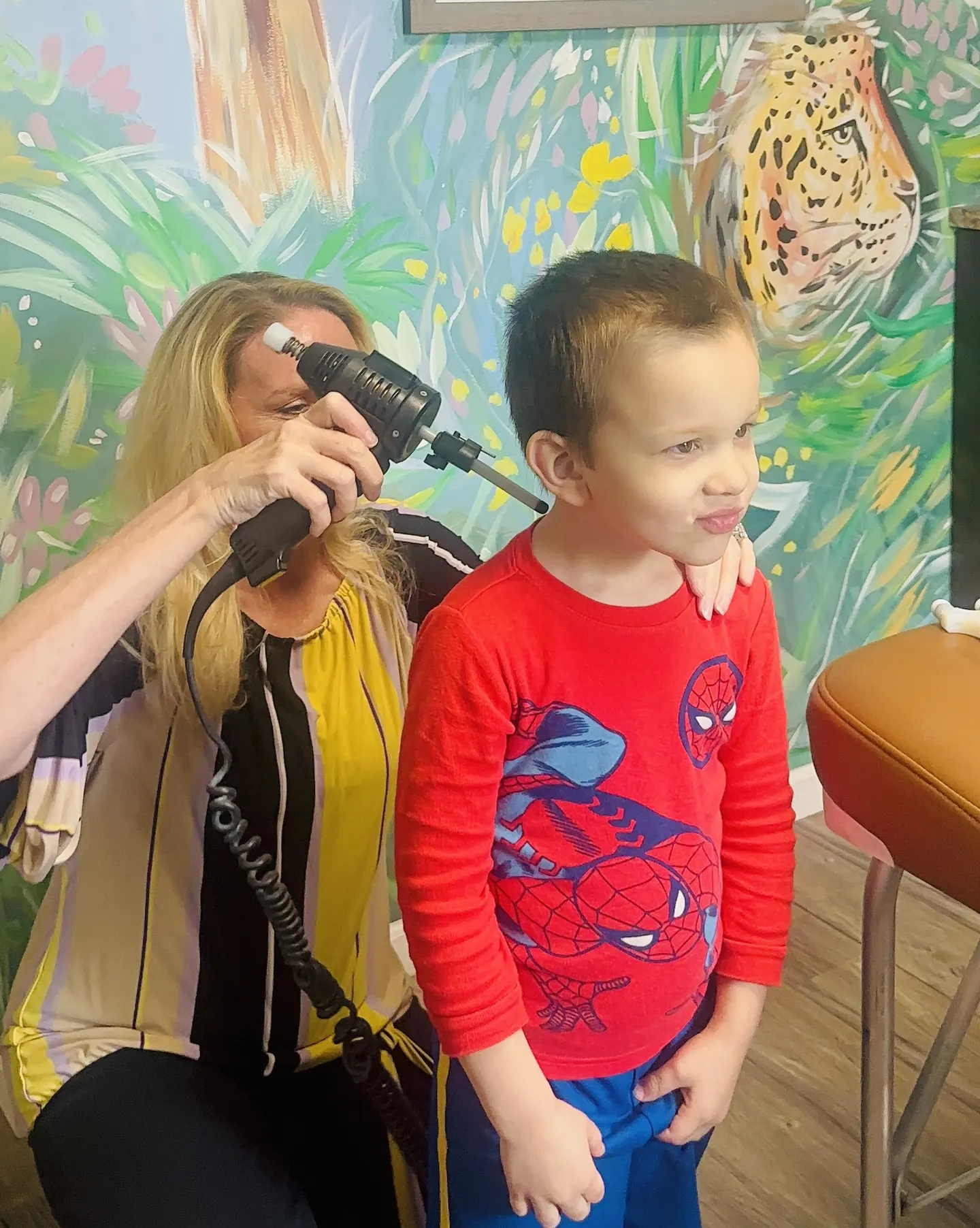
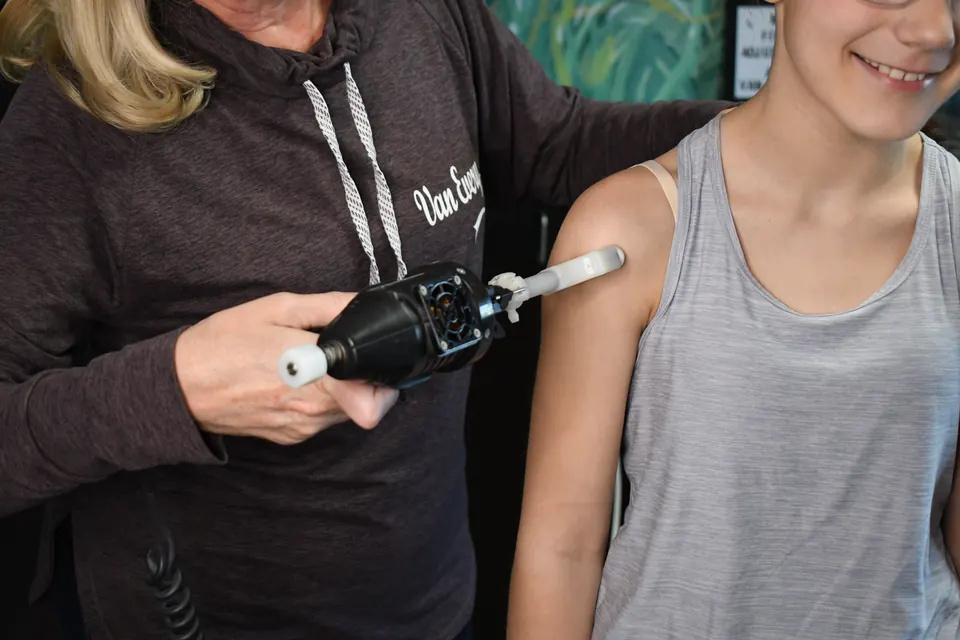
Our doctors use Koren Specific Technique and Talsky Tonal Chiropractic with light, nervous-system focused contacts and no forceful cracking, popping, or twisting. KST is instrument-assisted, while TTC is hands-on and evaluates the NeuroSpinal system as a connected whole.
The doctor selects the technique and position from the student's findings and comfort. A teen can ask to see the instrument, hear each step first, or avoid a position that feels uncomfortable.
What can we track between visits?
Keep a short headache log without turning it into extra homework. Record the time, school or activity context, screen use, sleep, and how the episode affected class, practice, or plans. The goal is to spot useful patterns, not to produce a perfect chart.
- Does the headache build during the school day or after it?
- Does it follow long screen or study sessions?
- Is neck or shoulder tension present at the same time?
- Does sleep change before a difficult day?
- Which activities are being skipped because of the pattern?
How can school and study habits inform the visit?
Bring a realistic picture of the student's day rather than a perfect posture checklist. Note how long classes last, whether the laptop sits below eye level, where homework happens, and how often the student changes position. A backpack photo or a quick description of the study setup can help the doctor understand the repeated load.
The goal is not to blame screens, school, or the student. It is to identify the positions and demands that consistently line up with the headache pattern so the evaluation and later recommendations stay relevant.
What happens during the Report of Findings?
The doctor brings the history, examination, and scan results together and explains the main findings in plain language. The teen and parent can ask which patterns appear most relevant, why a technique or position is being considered, and what will be reassessed.
If a care plan is recommended, ask how it fits around school and activities. A plan should reflect the student's goals and findings rather than a generic schedule based only on the word headache.
How should a teen prepare for the appointment?
Wear comfortable clothing, bring a photo ID and insurance information when applicable, and save questions in a phone note. Let the office know about sensory or communication preferences. Students who understand the sequence can take an active role in the visit instead of feeling that the appointment is happening around them.
Where can Royal Oak families start?
The headaches in kids page explains the office's broader approach, while the teen chiropractic page covers school, sports, posture, and stress during the teen years.
To have your teen's individual pattern evaluated, book online with our Royal Oak doctors. Call or text us at (248) 616-0900 with questions before the first visit.